
Night-time hot flushes: causes and how to cope
Gritz Knowledge Centre · Shelf 2: Menopause · 29 November 2026
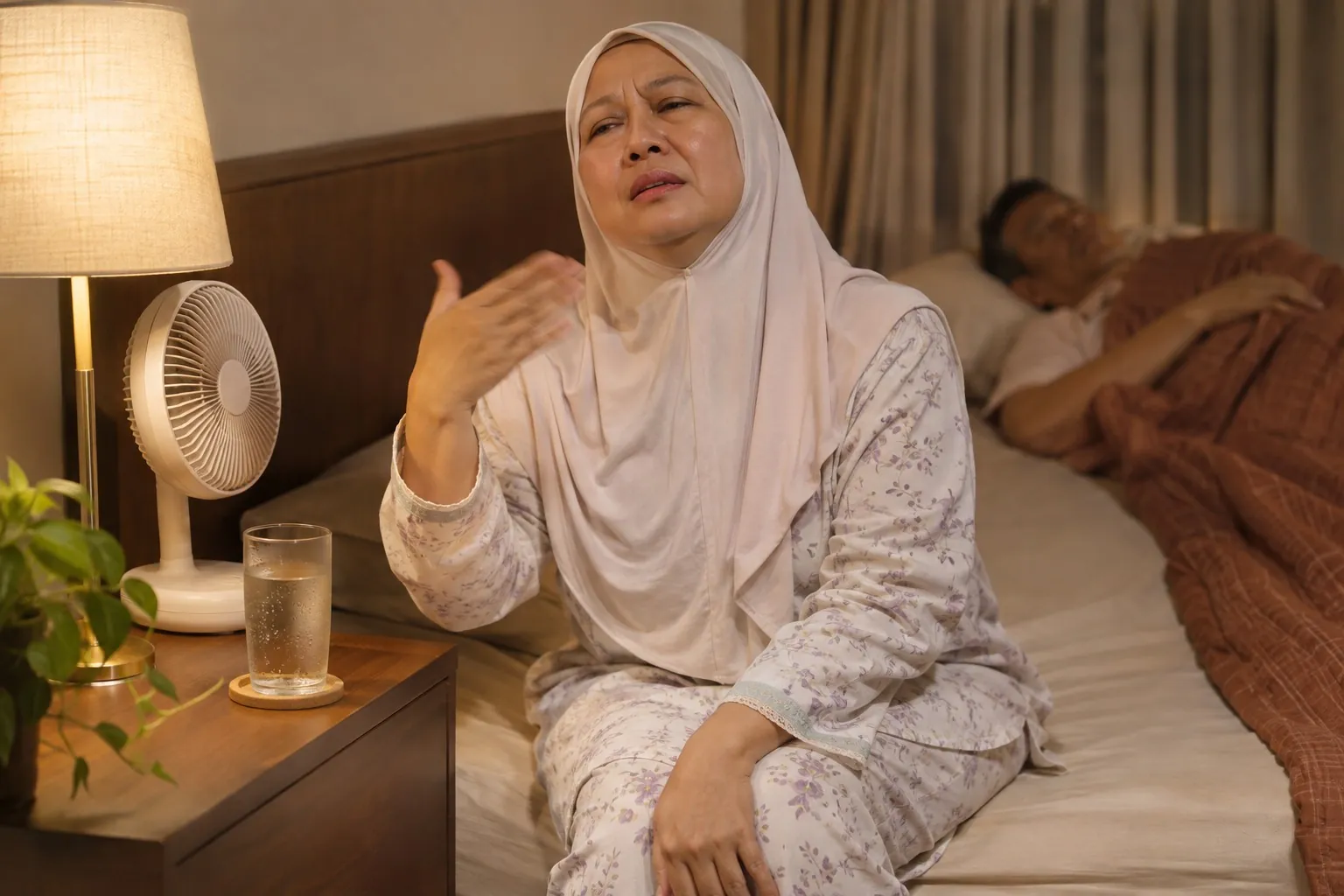
A hot flush is a sudden wave of heat rising to the face, neck and chest, often with sweating and a racing heart. It usually lasts a few minutes. It happens because rising and falling oestrogen during perimenopause and menopause makes the brain's temperature control centre more sensitive. A cool room, light cotton clothing, avoiding triggers and slow breathing can help ease it.
Why hot flushes happen
Your brain has a "thermostat" that keeps your body temperature steady. When oestrogen rises and falls, this thermostat becomes oversensitive. A tiny rise in temperature makes it think you are overheating, so it "switches on the air-conditioning": blood vessels in the skin widen (your face goes red and hot), you sweat, and your heart beats faster. Once the sweat cools you down, some women then feel cold and shivery.
When it happens during sleep, it is called night sweats. Many women wake with damp clothes and pillow, then struggle to fall back asleep.
Common triggers
- Spicy food and hot drinks.
- Strong coffee and tea, especially in the afternoon and evening.
- A warm room and thick blankets or sleepwear.
- Stress and anxiety.
- Smoking.
Every woman's triggers are different. Note when your hot flushes come for a week, and you will start to see a pattern.
9 ways to ease night-time hot flushes
- Cool the room. Use a fan or set the air-conditioning to a comfortable temperature.
- Wear light cotton sleepwear, and use cotton sheets.
- Sleep in layers. Use light blankets you can push off easily, not one thick one.
- Keep cold water by the bed. Sip it when you feel the heat rising.
- Take a lukewarm shower before bed, not a very hot one.
- Breathe slowly. When the heat starts, breathe in slowly for 5 seconds and out for 5 seconds, a few times.
- Avoid triggers at night: spicy food, coffee and hot drinks after the afternoon.
- Move every day, but not hard exercise right before bed.
- Talk to your husband. When he understands why you are often hot and awake, it is easier to agree on the room temperature.
How long hot flushes last
Every woman is different. For many women, hot flushes continue for several years and ease after menopause. Some have them now and then, others several times a day.
When to see a doctor
See a doctor if hot flushes or night sweats disrupt your sleep and work. A doctor can explain treatment options, including hormone therapy (HRT) and non-hormonal options. Also see a doctor if night sweats come with fever, unexplained weight loss or a lingering cough, as there may be another cause, or if hot flushes start before age 40.
Watch: Do premenopause symptoms disturb your sleep? (in Malay)

More videos on our YouTube channel: Gritz Essential Oils.
How Gritz can help
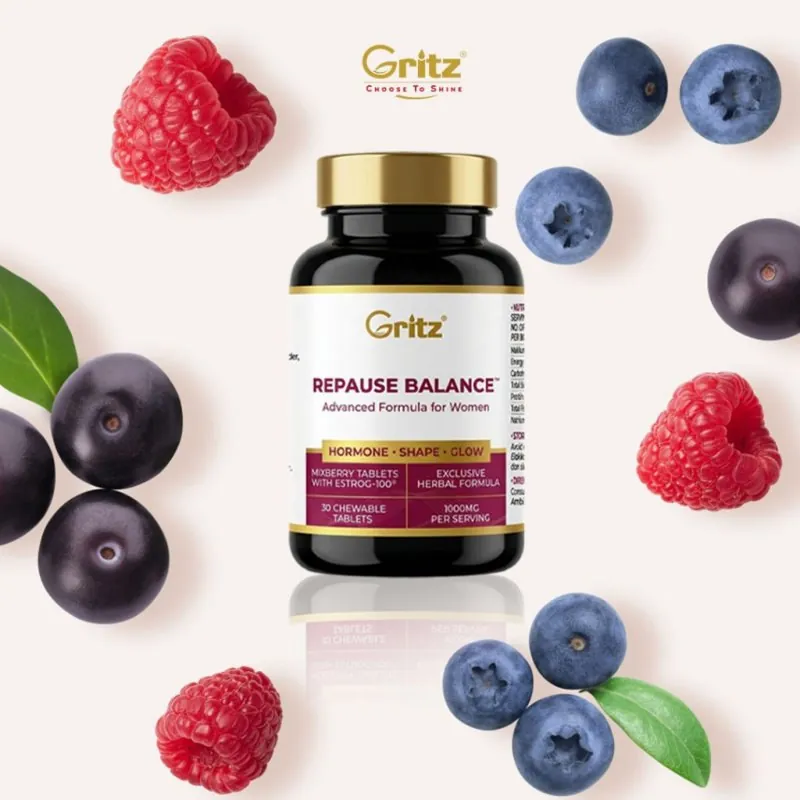
Our founder, Bonda Rita Omar, went through these hot nights herself. That experience led to RePause Balance, a mixberry chewable tablet with EstroG-100®, marine collagen and Morosil™, formulated to support women going through hormonal changes. For a calmer night routine, many enjoy the scent of 7 Wonders essential oil in the bedroom.
- An RM10 voucher goes straight into your account when you join Gritz VIP, for free.
- First order of RM100 or more: add Peppermint Essential Oil 10ml for RM9.90 (usually RM69).
- First order of RM200 or more: also add RePause Balance 1 bottle for RM39 (usually RM129).
First-order offers are valid for 7 days after you log in, while quota lasts. Can be combined with the RM10 voucher.
Also available on Shopee, Lazada, TikTok Shop and at over 260 pharmacies.
Frequently asked questions
- How long does one hot flush last?
- Usually a few minutes. Some are shorter, some longer.
- Are hot flushes a sign of menopause?
- They are one of the most common signs of perimenopause and menopause. But fever, infection, thyroid problems and some medicines can also cause flushing, so talk to a doctor if you are unsure.
- Why are hot flushes worse at night?
- A warm room, thick blankets and food or drinks in the evening can trigger them. When you wake, you also notice the heat more.
- Can I take RePause with my daily medicine?
- Yes. RePause is a food supplement based on natural ingredients and can be taken alongside daily medicine.
Read next
- Early signs of perimenopause in your 40s
- Irregular periods: 7 common causes
- All Knowledge Centre shelves
This article is general information, not a substitute for advice from your doctor.